

This week I got an early look at Claude’s new Fable 5 and reran an audience research report I had previously done with Opus. The difference was striking. The insights were sharper, the target persona more detailed than anything I had seen from a previous run. I only got a limited window with it before it was pulled offline, but even that was enough to see what is coming.
On the content side, I have been tweaking my strategy weekly using my performance analytics tool. The latest move: increasing video output on Instagram. The results were almost immediate. New followers, stronger engagement.
I also audited how much time AI was saving me researching and curating content and filmed it. The results are pretty powerful, cutting time fro 10 to two hours.
 Tiktok failed to load.
Enable 3rd party cookies or use another browser
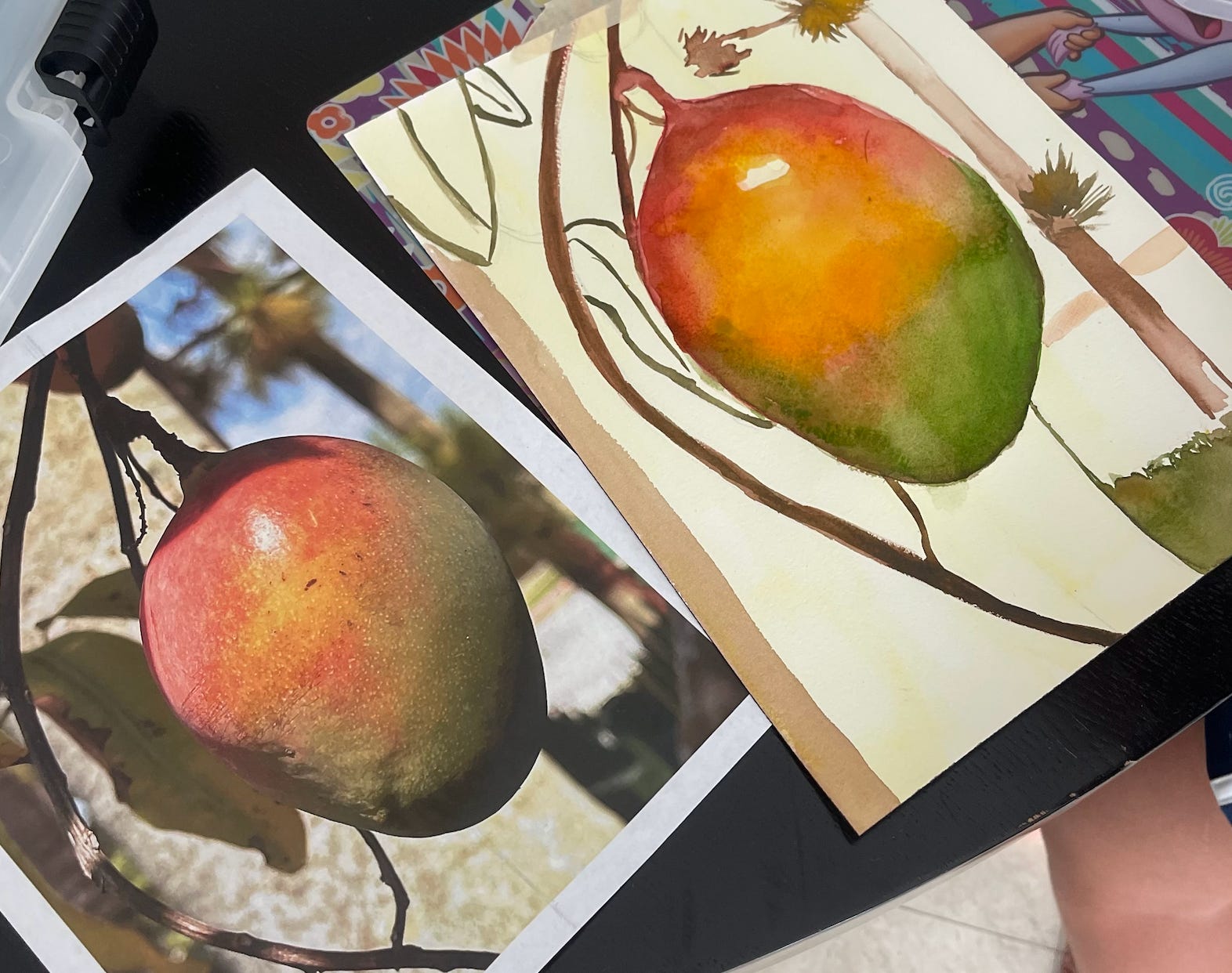
And offline? I joined a friend for a watercolor painting class, first time in years. We were celebrating mango season in Miami (yes, that is a real thing and yes, it deserves a celebration). Getting back into tactile creation mode was a nice reset. There is something about working with your hands that no prompt can replicate.
🤖 AI & TOOLS
Jeff Bezos’s Prometheus Raises $12B to Build an ‘Artificial General Engineer’
Jeff Bezos’s startup Prometheus has raised $12 billion at a $41 billion valuation to develop AI that can handle complex physical engineering and drug design, not just generate text.
💡 Why this matters
This is AI moving off the screen and into the physical world. For creators and marketers in B2B or tech-adjacent spaces, watch how this reshapes the tools and industries around you and what new categories of work it opens up.
Anthropic Takes Claude Fable 5 Offline Following US Government Order
Anthropic disabled its advanced model Claude Fable 5 after a US government export control directive on June 12, citing national security concerns. All other Claude models remained online.
💡 Why this matters
The more powerful the tool, the more scrutiny it attracts. If you are building workflows around any single AI platform, this is a reminder to have a backup. Whether that is a different model, a different tool, or an old-fashioned human process.
Cohere Open-Sources a Coding Agent That Runs on a Single Chip
Cohere released North Mini Code, an open-source coding agent that runs on a single H100 GPU, making advanced AI more accessible without the cloud dependency.
💡 Why this matters
Powerful AI is getting cheaper and more portable. For creators and small teams, open-source options like this can reduce costs and reduce dependency on any one platform.
✨ CREATOR ECONOMY
This Creative Business Earned $2.5M and AI Can’t Touch It
Artist Tyler Loftis built a $2.5 million business by leaning fully into what makes his work human: accessible, emotionally resonant art that has no AI equivalent.
💡 Why this matters
The clearest competitive advantage right now is not the best AI prompt. It is the thing only you can make. Tyler’s business is proof that doubling down on your human perspective is not a niche strategy. It is a growth strategy.
📣 ADVERTISING
HP Ends 17-Year Partnership with Omnicom, Moves $250M Account to Publicis
After nearly two decades, HP has shifted its global media account to Publicis in a move that signals a broader rethinking of long-term agency relationships.
💡 Why this matters
Even the longest-running partnerships are on the table right now. For creators and independent marketers, major account shifts like this often create openings. New teams, new briefs, new budgets looking for fresh voices.
📊 THIS WEEK’S BIG PATTERNS
Pattern 1: The Rules Are Catching Up to the Tools
For the past few years, AI moved fast and nobody said much. That is changing. This week we saw a major model pulled offline by government order, a CEO publicly calling for aviation-style oversight of AI, and bipartisan legislation in the works around AI governance. The ‘build first, regulate later’ era is winding down.
🔮 Prediction: If this week is any signal, it is only a matter of time before a major AI lab faces a longer, more disruptive government-ordered shutdown. The question for anyone building on top of these platforms is not if it happens again, but whether you will be ready when it does.
❓ Ask yourself: If your primary AI tool went dark tomorrow, what is your fallback? Do you have one?
Pattern 2: Smart Businesses Are Refusing to Get Locked In
The ‘one tool to rule them all’ era is over. Enterprises are moving to shorter contracts, open-source alternatives, and flexible infrastructure that lets them swap models as better ones emerge. The companies winning right now are not betting everything on one platform. They are building systems that can adapt.
🔮 Prediction: Long-term AI tool contracts will largely disappear by 2027, replaced by flexible agreements that let companies switch models as the landscape evolves.
❓ Ask yourself: Are your workflows built around a specific tool’s features, or are they portable enough to survive a platform switch?
Pattern 3: The Human Touch Is Becoming a Business Strategy
Two things happened this week that seem unrelated but are not: a $12B bet on AI that works in the physical world, and a human artist building a $2.5M business AI cannot replicate. Both point to the same truth. The frontier is not digital anymore. Value is concentrating in things that cannot be copy-pasted: physical presence, human creativity, emotional connection, and real-world expertise.
🔮 Prediction: The first billion-dollar solopreneur business will not come from content creation. It will come from someone using AI to operate in a physical or highly specialized niche that most people overlooked.
❓ Ask yourself: What part of your work requires you to actually be there, physically, emotionally, or experientially? That is your moat.
See you next week! — Karina
Subscribe to The AI Edge at aiedgeweekly.com
AI, creativity, and marketing for modern creators.