

This week, I kept thinking about the word “average.”
A new study from the Université de Montréal tested 100,000 humans against AI on creativity, and for the first time, GPT-4 beat the median human score. (Read the study here.)
But that framing misses something crucial.
The top 10% of creative humans still blew every AI model out of the water.
It’s not that AI got wildly creative. It’s that the middle got crowded.
And that made me wonder: what does it mean to be a content creator when “average” is now automated?
🧠 The Edge I’m Noticing
AI creativity isn’t binary. It’s a dial.
Researchers found they could literally tune GPT-4’s creativity by adjusting something called “temperature,” and suddenly it jumped from the 50th percentile to the 72nd.
But here’s what stuck with me: even at peak settings, AI still falls into repetition. GPT-4 kept returning to words like microscope and elephant.
It can mimic divergent thinking, but it doesn’t have taste.
The emerging pattern isn’t “AI vs. humans”—it’s that AI is exceptional at flooding the zone with options, but terrible at knowing which one actually matters.
The skill that’s becoming valuable isn’t generation.
It’s curation.
🛠️ Tool or Idea Worth Knowing
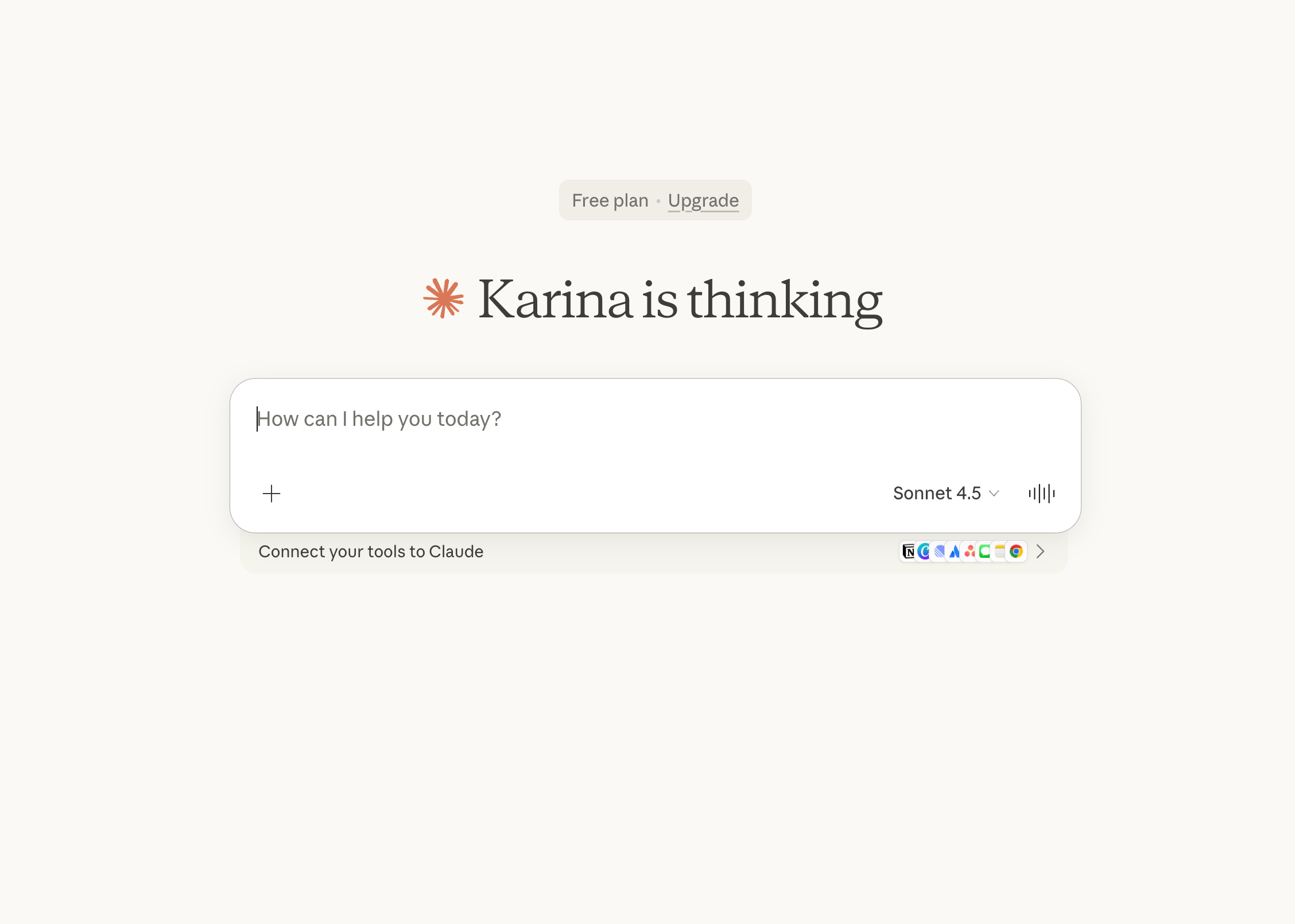
Claude: use AI as a thinking desk, not a vending machine
Most people use AI like this: prompt → output.
Claude gets interesting when you stop asking it to write and start asking it to see.
With Projects and long context, you can drop in:
past newsletters
messy notes
article links
half-formed ideas
transcripts from voice memos
…and ask:
“What patterns do you see across all of this?”
“What angles am I circling without realizing it?”
“What’s the most interesting direction hiding in here?”
You’re not generating content.
You’re surfacing insight.
That’s the shift this study points to. The advantage isn’t who can produce the most words. It’s who can spot what’s worth developing.
🤖 AI in Action
One of the researchers even experimented with etymology-based prompts, asking AI to think about word origins and linguistic structure, which led to more surprising, creative associations. (They explain it here.)
I tried this with a LinkedIn post I was stuck on.
Instead of “write me a post about [topic],” I asked:
“What are five etymologically different ways to frame [topic]?”
The outputs weren’t final drafts, but they gave me angles I genuinely hadn’t considered.
The upgrade wasn’t in what AI wrote—it was in how it expanded my own thinking before I started writing.
That shift from “AI as writer” to “AI as creative sparring partner” is subtle, but it changes everything.
📈 Trend Watch
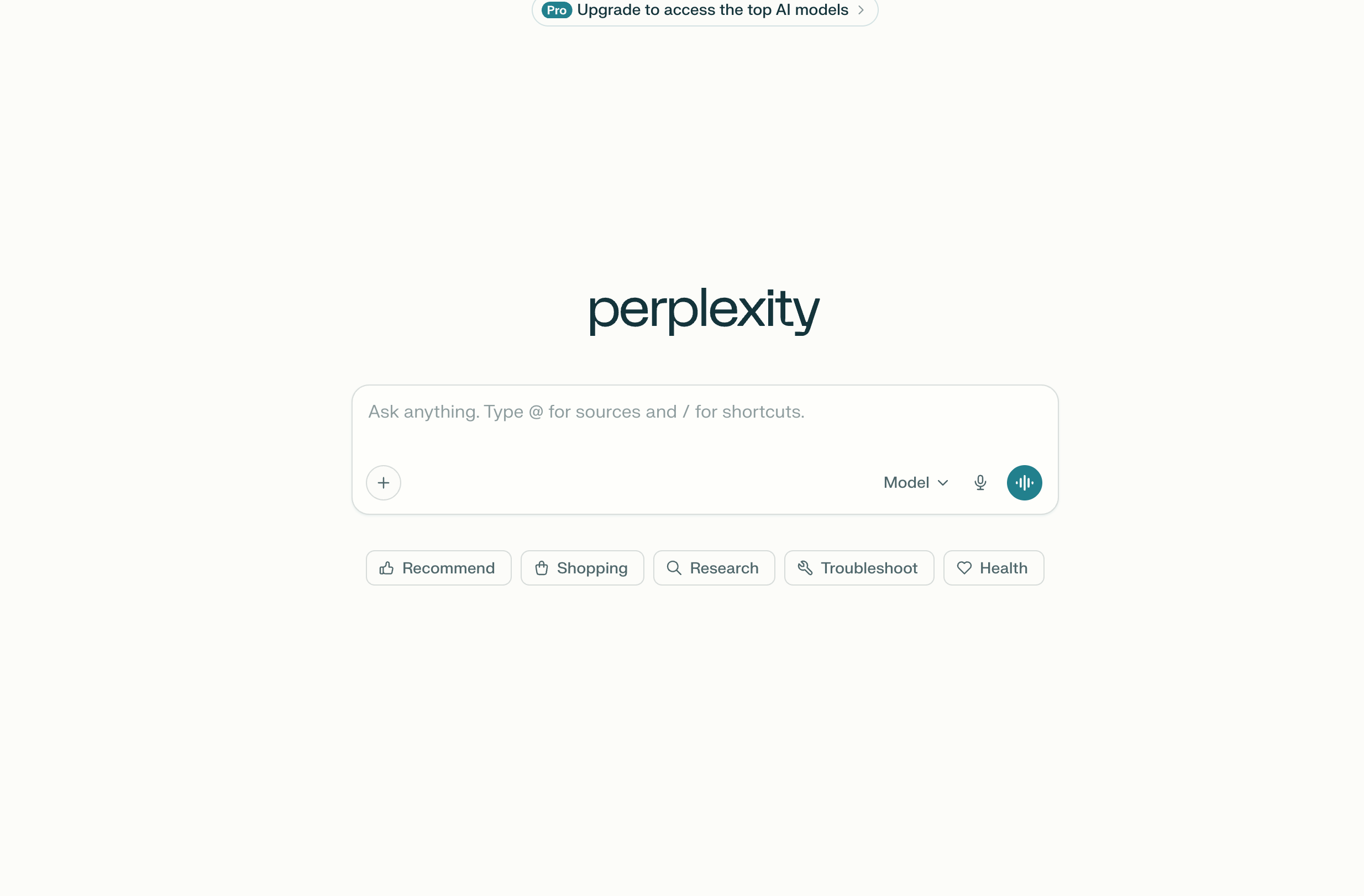
Perplexity and the rise of answer engines
A quiet shift is happening in how we find information.
We’re moving from:
search → click → read → decide
to:
ask → receive a synthesized, cited answer
Perplexity doesn’t just generate text. It curates the internet into something usable.
And that mirrors exactly what this week’s study revealed:
AI is getting very good at producing options.
Humans are still better at deciding what matters.
Creators who learn to work this way will research faster, see patterns earlier, and spend less time drowning in tabs—and more time deciding what’s worth saying.
The skill shift is already here:
From finding information → to judging information.
💡 Edge Tip
Next time you’re brainstorming, try this:
“Generate 20 headlines/angles/opening lines for this topic. Make them as different from each other as possible.”
Then pick your top three and ask:
“Why might these three work better than the others?”
That second prompt forces you to articulate your own taste and editorial judgment.
You’re not outsourcing creativity—you’re using AI to surface options faster, then applying the one thing AI can’t replicate: your ability to know what resonates.
Final Thought
If AI can now match average human creativity on certain tasks, what does “average” even mean anymore?
And more personally: when I use AI to help me create, am I elevating my thinking, or am I just drifting toward the algorithmic mean?
I don’t have an answer yet.
But I’m starting to think the real creative skill isn’t coming up with ideas.
It’s knowing which ones to ignore.